We've sent you an email with a link to update your password.
Reset your password
We will send you an email to reset your password.
Busy Day, Low-Protein Diet? Simple Ways to Rethink Your Meals
Look back at your last few days and you'll probably remember what you ate. What's harder to remember is whether protein was actually part of any of it.
That's not a criticism. It's just what happens on a busy day. You eat because you're hungry, or because it's lunchtime, or because dinner has to happen before you collapse into bed.
Nobody's sitting there thinking about macronutrients at 8 AM while looking for their office badge. The meal gets eaten, the day moves on, and protein — unless it happens to be the obvious star of the plate — quietly slips past unnoticed.
This isn't an article about fixing your entire diet. It's about a smaller, more realistic idea: once you start noticing where protein shows up in your day, it gets a lot easier to add a little more of it, without overhauling anything.
What Can a Low-Protein Day Actually Look Like?
Picture a fairly ordinary day. Breakfast is tea or coffee with a couple of slices of toast, eaten while checking messages. Lunch is whatever's quickest — maybe rice with a vegetable curry, eaten at your desk or standing in the kitchen between chores. Around 4 or 5 PM, there's another cup of tea, this time with a couple of biscuits. Dinner arrives late, tired, and probably resembles lunch: rice or roti with a vegetable side, eaten in front of the TV.
None of this is a bad way to eat. It's a completely normal day for a lot of people. But notice what's missing, or at least underrepresented — nothing here is doing much heavy lifting on the protein front. That's not because the food is unhealthy. It's because the meals happened to be built around carbohydrates and vegetables, with protein left as an afterthought rather than a deliberate part of the plate.
Whether a meal like this is actually "low protein" really depends on the specifics — the exact ingredients, the portions, how the dish was prepared, and what else was on the plate alongside it. A vegetable curry with a generous portion of paneer looks very different, protein-wise, from the same curry made with just vegetables. The point isn't to label any of these meals as good or bad. It's to notice how easily protein can end up as an afterthought, even across meals that feel completely normal and satisfying.
Why Busy Schedules Can Make Balanced Eating Harder
There's a reason this happens so consistently, and it isn't a lack of willpower.
Mornings are rushed — there's barely enough time to get out the door, let alone cook a considered breakfast. Workdays stretch on with back-to-back calls or tasks, leaving lunch to whatever's fastest or already in the fridge. If you're managing a household, there's the added layer of cooking for everyone else first and thinking about your own plate last, if at all. By evening, everyone's tired, and dinner becomes about getting something on the table rather than building a particularly balanced one.
In all of this, convenience tends to win — and that's a completely reasonable response to a demanding day, not a personal failing. The goal here isn't to guilt anyone into cooking more elaborately. It's to point out that when convenience drives most food choices, protein is often one of the first things to fall out of the picture, simply because it usually requires a bit more planning than a piece of toast or a packet of biscuits.
Common Everyday Meals Where Protein Can Be Overlooked
Some of the most familiar vegetarian meals in Indian households can end up lighter on protein than people assume — not because the food is inherently low in protein, but because of how it's typically portioned and paired.
Poha and upma, for instance, are largely rice- or semolina-based, and unless they're made with a generous amount of peanuts, sprouts, or paired with curd on the side, they may not contribute much protein on their own. A simple roti-and-vegetable meal can look similarly light if dal, paneer, or legumes aren't part of the plate. Rice with just a vegetable-based side follows the same pattern. Tea with biscuits, or fruit as a stand-alone snack, are common but don't add much protein either.
None of these foods are protein-free — most contain at least small amounts. The point is simply that many of them, as typically prepared, aren't doing much to move the needle. What changes this is what gets added alongside them: dal, beans, chickpeas, soy, paneer, curd or yogurt, milk, nuts, or seeds. A bowl of poha with a side of curd and some roasted peanuts mixed in looks quite different, protein-wise, from a plain bowl of poha — same dish, meaningfully different composition.
The "Think Protein Throughout the Day" Approach
Instead of trying to pack all your protein into one meal — a strategy that often turns into an unrealistic project — it helps to think about protein as something you check in on across the whole day.
Breakfast, lunch, snack, dinner: each one doesn't need to become a "high-protein meal" in its own right. Nobody needs to turn their tea-and-toast morning into a protein shake ritual overnight. The idea is simply to ask, at each meal, whether there's a reasonably easy way to include some protein — and to treat that as a habit worth building rather than a target to hit perfectly every single day.
This is about awareness and consistency, not optimisation. There's no need to calculate anything. Just a habit of checking in.
Simple Ways to Add Protein to Breakfast
A few realistic, vegetarian-friendly options for busy mornings: ● Add a glass of milk or a small bowl of curd alongside whatever you're already eating ● Stir some roasted peanuts, chana, or seeds into poha or upma ● Swap plain toast for one with a spread of peanut butter, or pair it with paneer bhurji ● Keep boiled or soaked moong or sprouts on hand for a quick addition to breakfast ● If you use a plant protein product, a quick shake or smoothie can work as a convenient option on especially rushed mornings
Not every suggestion suits every kitchen or every dietary pattern — the point is to have a few realistic go-tos, not to follow all of them.
Simple Ways to Add Protein to Lunch
Lunch doesn't need to change entirely — often it just needs one addition. ● Add a bowl of dal alongside your usual rice or roti ● Include rajma, chana, or another legume-based dish once or twice a week ● Add a few cubes of paneer or tofu to a vegetable dish ● Serve curd or yogurt as a regular side, not an occasional one ● Build a slightly more balanced plate by adding one protein-containing item, rather than replacing the whole meal
You don't necessarily need a completely different lunch. Often, you can simply add to what you already eat.
Smarter Protein Choices for Snacks
Snack time is where small swaps can add up without much extra effort.
● Roasted chickpeas or chana instead of, or alongside, packaged snacks ● A handful of nuts or seeds ● Soy-based snacks, where available and enjoyed ● A small bowl of curd or a glass of milk instead of tea alone ● A suitable serving of a plant protein product, if that's already part of your routine
This isn't about eliminating biscuits, sweets, or the usual snacks you enjoy. It's about occasionally choosing something with a bit more protein alongside them, not instead of them.
Rethinking Dinner Without Making It Complicated
Dinner doesn't need to turn into a fitness meal to include protein. It can stay exactly as familiar and home-cooked as it already is.
A dal on the side, a portion of rajma or chole instead of (or alongside) a purely vegetable based curry, some paneer or tofu worked into the main dish — these are small, normal additions, not a reinvention of how dinner works in your home.
For people who want a convenient way to include protein when cooking a full meal isn't practical, a plant protein product can be one option among several — not a replacement for a varied diet, and not something everyone necessarily needs.
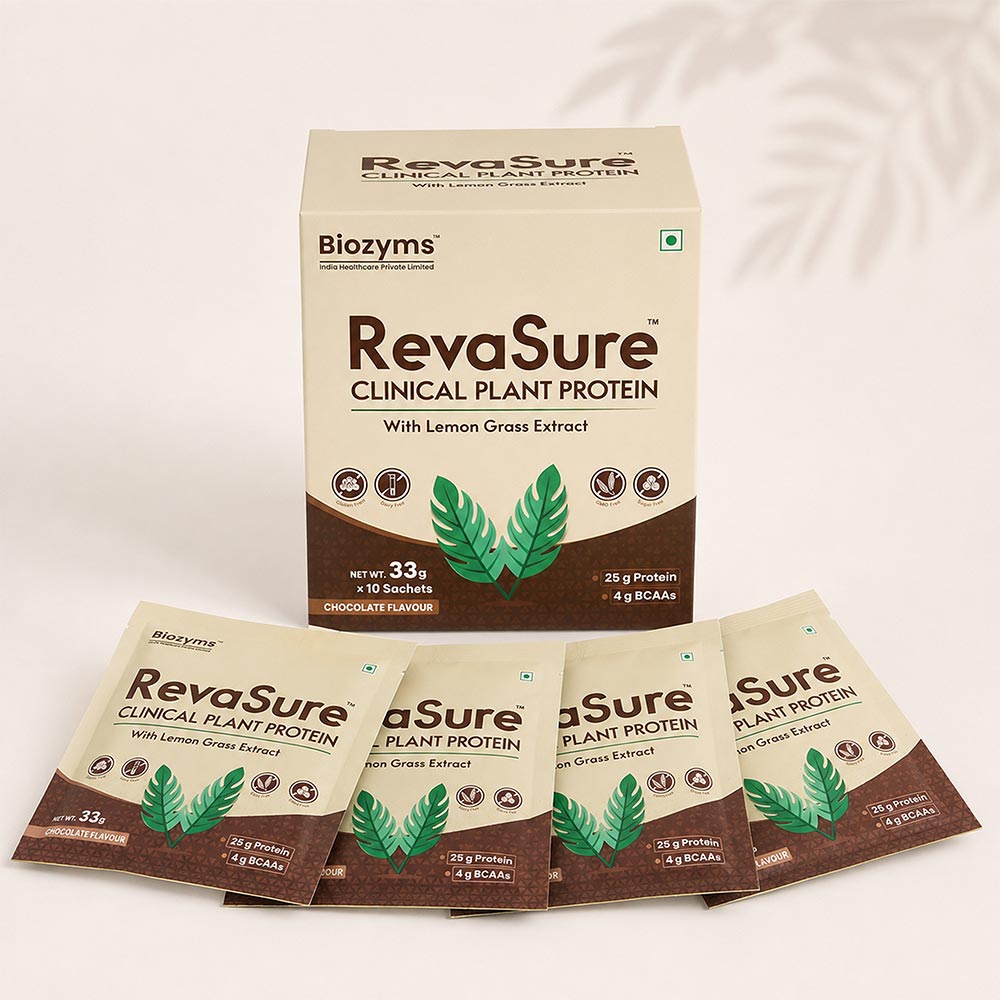
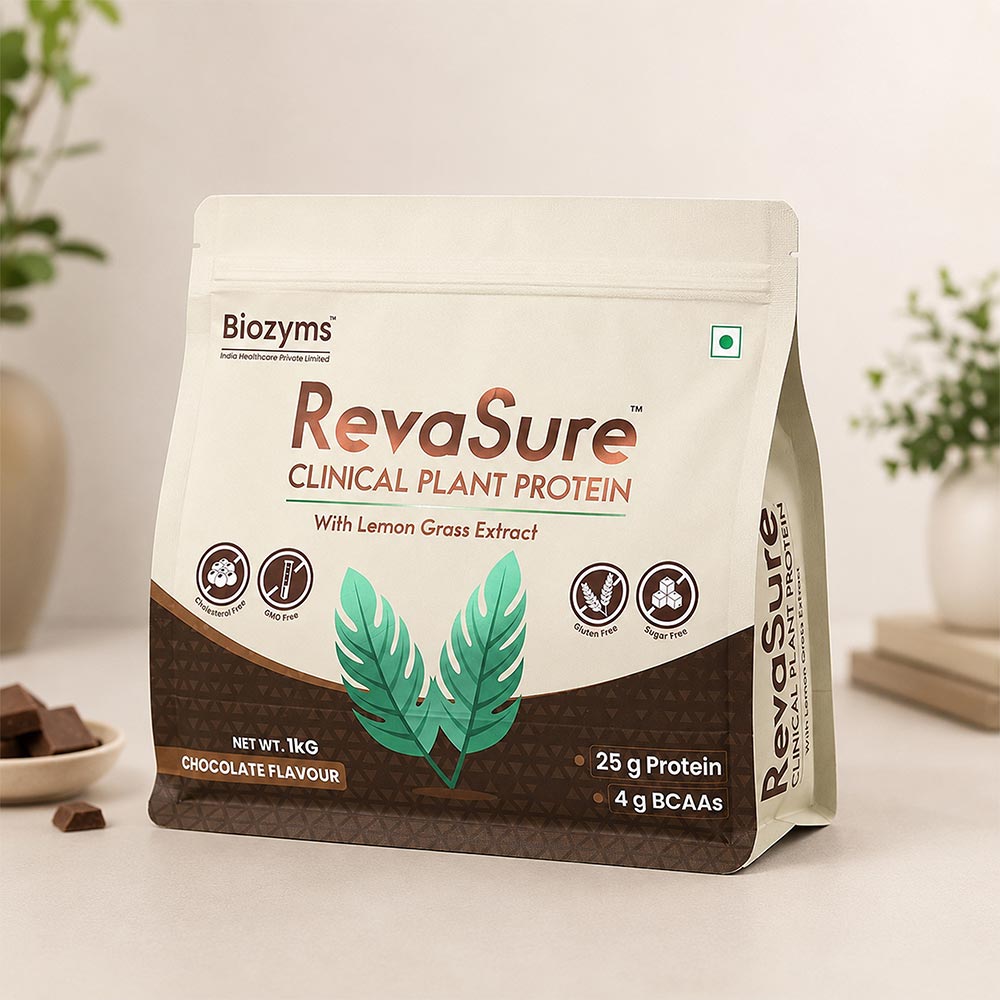
This is roughly where RevaSure fits into the picture. The brand works from the idea that protein doesn't have to be tied to gym routines or fitness goals to matter — it can simply be part of an ordinary day, alongside dal, curd, nuts, and everything else already on your plate. RevaSure's plant protein products, including a distinctive lemongrass flavoured option, are built with that everyday context in mind rather than a training one. But a product like this works best as one tool in a broader pattern of eating, not as the whole plan.
A Simple Day-to-Day Framework
If it helps to have something to hold onto, try this simple check-in across the day:
Morning — Where is my protein source today?
Lunch — Can I add a protein-containing food to this meal?
Snack — Is there a slightly more protein-containing option I'd actually enjoy?
Dinner — What protein source is already part of this meal?
None of these questions require a perfect answer every time. They're just useful prompts.
Consistency Over Perfection
One meal doesn't define your diet, and there's no need to calculate every gram of protein you eat in a day. The goal here isn't precision. It's a gradual shift in awareness — noticing, over time, where protein tends to show up in your meals and where it tends to be missing, and making small, realistic adjustments where they're easy to make.
Some days this will work out better than others. That's fine. Consistency, not perfection, is what actually builds a habit that lasts.
RevaSure's Perspective
RevaSure's broader outlook comes back to a simple question: what if protein could be part of everyday meals without needing a fitness routine to justify it?
That's the thinking behind treating plant protein as something relevant to ordinary, busy days — not just workout schedules. Nutrition doesn't begin in the gym. It begins with the small, realistic choices that happen across an ordinary day, whether or not a plant protein product is part of that picture.
Conclusion
You don't have to overhaul your entire diet to think more intentionally about protein. Start by noticing it — in your breakfast, your lunch, your snacks, your dinner. Then look for small, realistic ways to include a little more of it, wherever it fits naturally into a day that's already busy enough.
That's really all this comes down to: not a stricter diet, just a slightly more aware one.
How can I get more protein in my diet without changing everything I eat?
Small, consistent additions tend to work better than a complete overhaul — adding dal to a meal, including curd as a regular side, or snacking on roasted chickpeas or nuts instead of only packaged snacks are realistic starting points.
What are good vegetarian sources of protein?
Common vegetarian protein sources include dal and other lentils, beans, chickpeas, rajma, paneer, tofu, soy-based foods, curd or yogurt, milk, nuts, and seeds.
What are protein-rich vegetarian foods I can add to breakfast?
Options include curd or milk alongside your usual breakfast, roasted peanuts or seeds mixed into poha or upma, sprouts, or paneer-based dishes like paneer bhurji.
What are easy protein snacks for a busy day?
Roasted chickpeas or chana, a handful of nuts or seeds, curd, soy-based snacks, or a suitable serving of a plant protein product are all realistic, low-effort options.
Can plant protein be part of a busy daily routine?
Yes. A plant protein product can be a convenient option for including protein when preparing a full meal isn't practical, though it works best alongside a varied diet rather than as a replacement for it.
Do I need to eat a lot of protein at every meal?
Not necessarily. Individual needs vary, and this article isn't intended as personalised dietary advice. The more realistic approach for most people is to be mindful of including protein-containing foods across meals rather than aiming for a specific amount at each one. Anyone with specific dietary or health concerns should speak with a qualified healthcare or nutrition professional.